
Morphine: A Powerful Painkiller With Serious Responsibilities.
Morphine: A Powerful Painkiller With Serious Responsibilities
Introduction
Morphine is one of the most powerful and widely used pain-relieving drugs in modern medicine. Derived from the opium poppy, it belongs to a class of drugs called opioids, which act directly on the central nervous system to relieve pain.
While morphine is highly effective in treating severe pain, it is also highly addictive and must be used under careful medical supervision. In this article, we explore how morphine works, its medical uses, potential side effects, and the growing concerns around misuse and addiction.
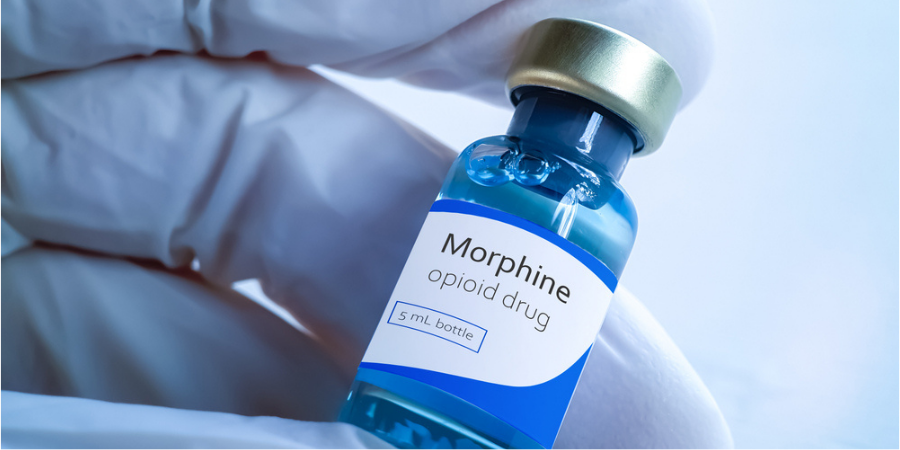
What Is Morphine?
Morphine is a narcotic analgesic, primarily used to treat moderate to severe pain, especially in post-surgical patients, cancer patients, or those with chronic or end-of-life pain.
It works by binding to opioid receptors in the brain and spinal cord, blocking the transmission of pain signals and creating a sense of calm and relief.
Medical Uses of Morphine
Doctors prescribe morphine for:
-
Severe post-operative pain
-
Cancer-related pain
-
Pain from traumatic injuries (e.g., fractures, burns)
-
Heart attack-related chest pain
-
Palliative care and end-of-life comfort
It is available in several forms: tablets, oral liquid, injections, or intravenous drip — depending on the urgency and severity of the pain.
How Morphine Works in the Body
Morphine targets specific areas of the brain and nervous system. It binds to mu-opioid receptors, blocking the sensation of pain and often producing feelings of:
-
Euphoria
-
Drowsiness
-
Mental relaxation
While this makes morphine an effective painkiller, these effects also contribute to its high potential for addiction when misused.
Side Effects of Morphine
Like all strong medications, morphine has side effects. Common ones include:
-
Drowsiness
-
Nausea or vomiting
-
Constipation
-
Itching or skin rash
-
Dizziness
-
Slow breathing (respiratory depression)
Serious risks include:
-
Addiction and dependence
-
Overdose, especially when combined with alcohol or other sedatives
-
Withdrawal symptoms when stopped suddenly
Addiction and Abuse Risk
Morphine, like other opioids, has a high potential for addiction. Some people may misuse it for the euphoric high it produces. Regular or prolonged use can lead to:
-
Tolerance – needing more of the drug to feel the same effect
-
Dependence – experiencing withdrawal symptoms when not using
-
Addiction – continued use despite harmful consequences
In many parts of the world, opioid addiction — including drugs like morphine, oxycodone, and heroin — has become a serious public health crisis.
Signs of Morphine Overdose
Morphine overdose can be life-threatening. Signs include:
-
Extreme drowsiness
-
Slow or stopped breathing
-
Cold or clammy skin
-
Blue lips or fingertips
-
Loss of consciousness
In such cases, emergency medical treatment is critical. An antidote called naloxone can reverse the effects of opioid overdose if given quickly.
Safe Use of Morphine
To use morphine safely:
-
Only take it under the supervision of a licensed healthcare provider
-
Never adjust the dose on your own
-
Avoid mixing with alcohol, sleeping pills, or other depressants
-
Keep the medicine secure and away from children or others who might misuse it
-
Follow tapering guidelines if you need to stop, to avoid withdrawal symptoms
Alternatives to Morphine
For some types of pain, especially long-term conditions, doctors may consider alternatives:
-
Non-opioid medications (paracetamol, NSAIDs)
-
Physical therapy or acupuncture
-
Nerve blocks or injections
-
Psychological therapies for chronic pain management
Final Thoughts from OptimaMedix
Morphine is a powerful drug — and like all powerful tools, it must be handled with care. It brings comfort and relief to countless patients when used responsibly, but misuse can lead to serious, even fatal consequences.
As healthcare providers and patients, the goal is to find a balance: relieving pain while minimizing risk. If you or a loved one is prescribed morphine, ask your doctor questions, stay informed, and use the medication exactly as directed.
For more medical insights and responsible health tips, visit:
https://optimamedix.blogspot.com
📧 Email: optimamedix@gmail.com
Disclaimer:
This article is for educational purposes only and does not replace professional medical advice. Morphine is a controlled substance. Always consult your doctor before starting or stopping any pain medication.
 Follow us on Facebook


No comments