
Understanding Anxiety and Depression: The Mental Health Struggle You Can’t Ignore.
Understanding Anxiety and Depression: The Mental Health Struggle You Can’t Ignore.
Introduction
In today’s fast-paced world, mental health issues like anxiety and depression are becoming increasingly common — affecting people of all ages, backgrounds, and lifestyles. Yet, many still suffer in silence, unsure of what they are experiencing or how to get help.
This article explains what anxiety and depression are, how they differ, their signs, and what steps you can take to manage them.
What Is Anxiety?
Anxiety is a natural response to stress or danger — a kind of mental alarm system. But when it becomes constant, overwhelming, or uncontrollable, it turns into a mental health disorder.
Common symptoms of anxiety include:
-
Restlessness or feeling "on edge"
-
Rapid heartbeat or chest tightness
-
Trouble concentrating
-
Excessive worrying about everyday things
-
Trouble sleeping
-
Avoiding situations due to fear or panic
There are different types of anxiety disorders, including generalized anxiety disorder (GAD), panic disorder, and social anxiety.
What Is Depression?
Depression is more than just feeling sad. It is a serious mood disorder that affects how you think, feel, and function in daily life.
Common symptoms of depression include:
-
Persistent sadness, emptiness, or hopelessness
-
Loss of interest in activities once enjoyed
-
Fatigue or lack of energy
-
Changes in appetite or sleep
-
Difficulty thinking or making decisions
-
Thoughts of death or suicide
Depression can range from mild to severe, and often comes in episodes that may last weeks or even months.
How Are They Different?
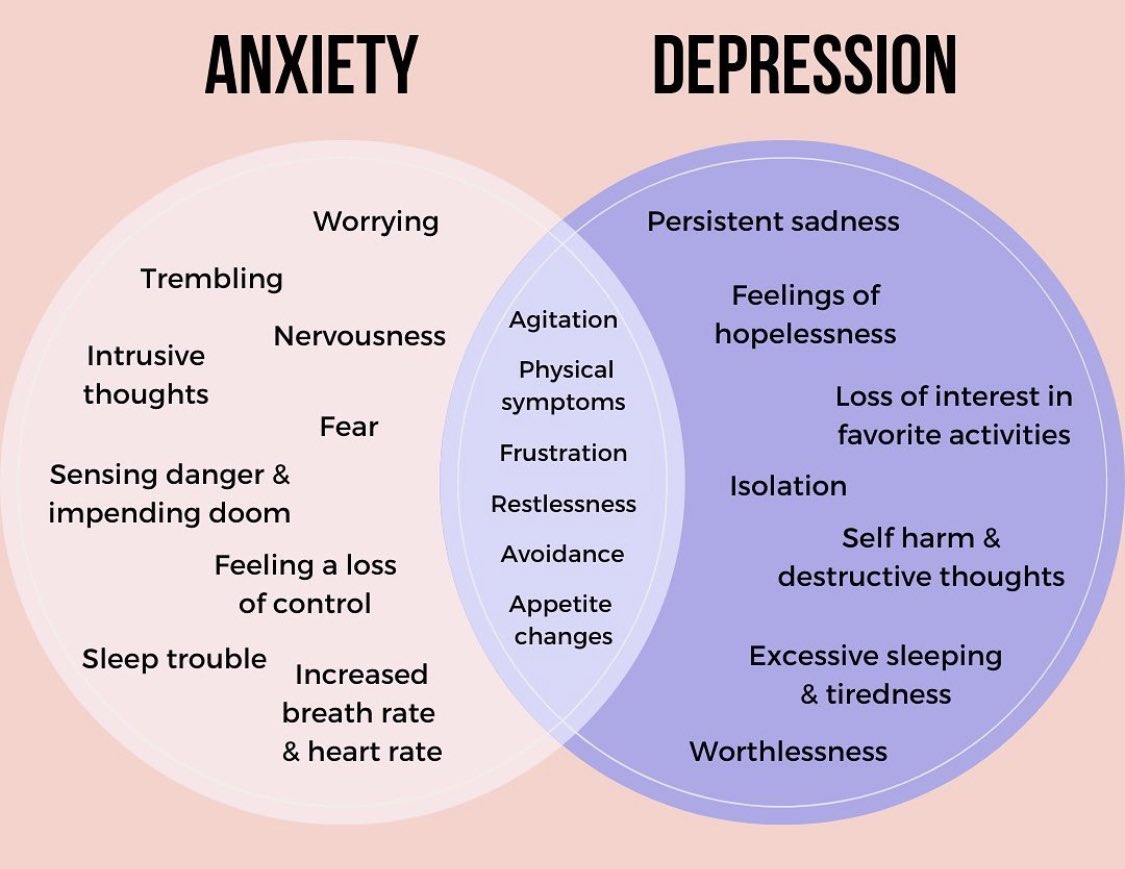
While anxiety and depression are different conditions, they often occur together. You can feel anxious and depressed at the same time.
-
Anxiety focuses on fear, nervousness, or worry.
-
Depression focuses on sadness, low energy, and loss of interest.
Understanding both is important, as treatment and coping strategies may overlap but can also differ.
What Causes Anxiety and Depression?
There is no single cause. Both conditions are often influenced by a mix of:
-
Genetics (family history)
-
Chemical imbalances in the brain (neurotransmitters)
-
Chronic stress or trauma
-
Medical illnesses or medication side effects
-
Loneliness, grief, or unresolved emotional pain
Lifestyle, environment, and even digital habits (such as screen time or social media use) can also contribute.
When Should You Get Help?
You should seek help if:
-
Your symptoms last more than two weeks
-
They interfere with your work, relationships, or daily life
-
You have thoughts of hurting yourself or ending your life
Mental health is just as important as physical health. It’s okay to ask for help.
Treatment Options
Effective treatments are available for both anxiety and depression, and often include a combination of:
-
Therapy or counseling (especially cognitive behavioral therapy — CBT)
-
Medications (such as antidepressants or anti-anxiety drugs, prescribed by a doctor)
-
Lifestyle changes:
-
Regular exercise
-
Healthy eating and sleeping habits
-
Reducing caffeine and alcohol
-
Practicing mindfulness, meditation, or journaling
-
Support from family and friends also plays a critical role in recovery.
What You Can Do Today
-
Talk to someone you trust about how you feel
-
Set small daily goals (like walking or drinking more water)
-
Limit time on social media if it triggers stress
-
Reach out to a mental health professional if symptoms persist
There is no shame in struggling with your mental health. With proper help, recovery is possible.
Final Thoughts from OptimaMedix
Anxiety and depression are not signs of weakness — they are signs that your mind is asking for care and attention. The first step toward healing is understanding what you're going through, and the second is knowing you’re not alone.
If you or someone you know is dealing with anxiety or depression, support is available. The earlier you seek help, the better the outcome.
Visit for more articles: https://optimamedix.blogspot.com
Contact us at: optimamedix@gmail.com
Disclaimer:
This article is for educational purposes only and does not replace professional mental health advice or diagnosis. Always speak to a qualified therapist, counselor, or doctor if you or someone you know needs.
 Follow us on Facebook


No comments