
How to Build a Family First-Aid Kit: 15 Essential Items Every Home Needs.
How to Build a Family First-Aid Kit: 15 Essential Items Every Home Needs
Introduction
Accidents can happen anytime — a cut in the kitchen, a fever in the middle of the night, or a sudden allergic reaction while traveling. Having a well-organized family first-aid kit can make a big difference during such emergencies.
Whether you live in a city or a rural area, keeping a basic medical kit at home, in your car, or when traveling is a simple way to stay prepared and protect your family.
This article will guide you through the essential items you should include and how to maintain your kit.
✅ Why You Need a First-Aid Kit at Home
A first-aid kit helps you:
-
Treat minor injuries quickly (cuts, burns, sprains)
-
Respond to medical emergencies before help arrives
-
Manage allergies, fevers, or infections
-
Reduce panic during accidents
Even a few minutes can make a difference, especially with children or elderly family members involved.
🧰 Essential Items for Your Family First-Aid Kit
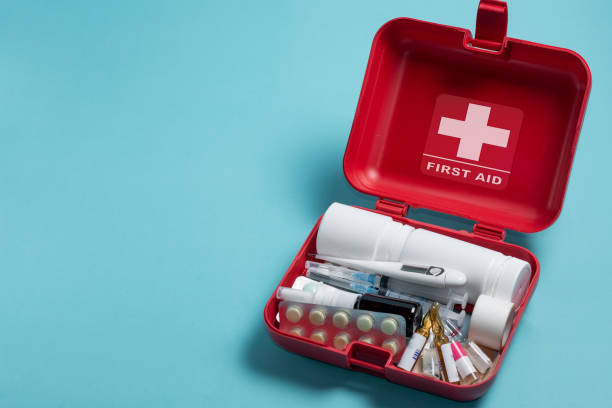
Here are the 15 must-have items you should keep in your kit:
1. Adhesive Bandages (Plasters)
For covering small cuts, blisters, or scrapes.
2. Sterile Gauze Pads & Medical Tape
To stop bleeding and cover larger wounds.
3. Antiseptic Solution or Wipes
For cleaning wounds and preventing infection.
4. Antibiotic Ointment (e.g., Neomycin)
Apply after cleaning a wound to reduce risk of infection.
5. Digital Thermometer
To check for fever, especially in children or during infections.
6. Pain Relievers
Paracetamol or ibuprofen (both adult and child doses).
7. Tweezers
For removing splinters, glass, or ticks.
8. Scissors
To cut tape, gauze, or clothing if needed.
9. Cold Pack (Instant or Reusable)
Helpful for bruises, sprains, insect bites, or swelling.
10. Burn Cream or Aloe Vera Gel
To treat minor burns or sunburn.
11. Allergy Medication (Antihistamines)
For mild allergic reactions (e.g., rash, sneezing, swelling).
12. Hand Sanitizer or Gloves
To prevent infection while treating someone.
13. Oral Rehydration Salts (ORS)
For dehydration due to vomiting or diarrhea.
14. Flashlight & Extra Batteries
In case of emergencies at night or power outages.
15. Basic Instruction Manual
A printed first-aid guide is useful if you forget what to do.
🧒 Extras for Children:
-
Fever suppositories or liquid medicine
-
Teething gel or baby-safe pain reliever
-
Child-safe scissors and bandages
👜 Extras for Travel or Car Kits:
-
Motion sickness tablets
-
Insect repellent or bite cream
-
Copies of important medical documents
-
Emergency contact numbers
📦 Where to Store Your First-Aid Kit
-
Keep it in a dry, easy-to-reach place
-
Make sure every adult in the home knows where it is
-
Keep out of reach of children, unless it's child-specific
Consider having multiple kits — one for home, one for your car, and one for travel bags.
🔁 Maintenance Tips
-
Check the kit every 6 months
-
Replace expired medications or ointments
-
Restock items after each use
-
Update medical documents if someone’s condition changes
✅ Final Thoughts from OptimaMedix
A well-stocked first-aid kit doesn’t just provide medical care — it gives peace of mind. You never know when you’ll need it, but when you do, you’ll be glad it’s there.
Building a family-first aid kit is one of the simplest but smartest health decisions you can make today.
For more home health and family safety tips, visit:
🌐 https://optimamedix.blogspot.com
📩 Email: optimamedix@gmail.com
Disclaimer:
This article is for informational purposes only and does not replace emergency medical services. Always seek professional help during serious medical situations.
 Follow us on Facebook


No comments