
Can Health Apps Really Replace Medicines? The Rise of Digital Therapeutics.
Can Health Apps Really Replace Medicines? The Rise of Digital Therapeutics.
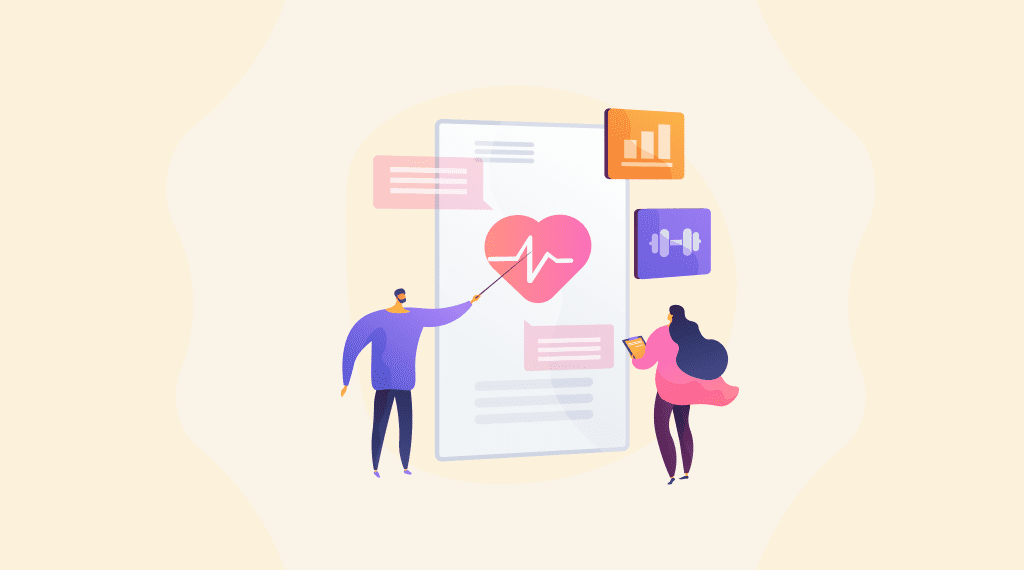 |
| “From screen time to healing time — how apps are supporting real recovery.” |
What
Are Digital Therapeutics?
Digital Therapeutics, often called DTx,
are apps or software programs that are designed to treat real health
problems. These aren’t just fitness or meditation apps — they’re approved
by doctors and health authorities in many countries, and in some cases, even prescribed
instead of medicine.
Think of it like this: instead of
getting a pill, your doctor might tell you to download an app.
What
Conditions Can These Apps Treat?
Today, many DTx tools are being used
to help people with:
- Sleep problems (insomnia)
- Depression and anxiety
- ADHD in children
- Diabetes and high blood pressure
- Addiction to substances
These apps don’t just give you tips
— they guide you through therapy sessions, track your progress, and even adjust
treatment based on your behavior.
What
Makes Digital Therapeutics Special?
Compared to traditional medicine,
DTx has a few big advantages:
- You don’t need to go to a clinic every time
- No pills or physical treatments
- Can be used at home, at your own pace
- Often cheaper in the long run
- Can work alongside smartwatches or health trackers
And yes — some apps are even
approved by health regulators like the FDA (U.S. Food & Drug
Administration).
Are
There Any Downsides?
Digital Therapeutics are helpful,
but not perfect:
- They may not work for everyone
- You need a phone and internet
- You have to use them regularly to see results
- Privacy can be a concern if data isn’t protected
properly
Also, these apps are not a
replacement for all medicines or doctors — but they can support
treatment.
What’s
Happening in Countries Like Bangladesh?
Even in places where mental
healthcare is hard to access, these tools are making a difference. Local
startups and NGOs are now exploring how to bring therapy apps to young people —
especially where psychologists are few in number.
This could be a turning point in how
countries deal with mental health, stress, and lifestyle-related illness.
Is
This the Future of Healthcare?
Possibly. More doctors and hospitals
around the world are starting to use digital treatments alongside
traditional medicine. With the help of technology, more people can get care —
especially those who live far from hospitals or can't afford long-term therapy.
These tools may never replace
doctors, but they can bring healthcare to your pocket — literally.
Final
Thoughts from OptimaMedix
Technology is changing how we manage
our health — not just through machines or tests, but with smart, everyday tools
like apps. If used properly, digital therapeutics can make life easier,
healthier, and more connected.
At OptimaMedix, we’ll keep
bringing you the latest updates on what’s working, what’s safe, and what’s next
in modern health care.
Want more health updates like this?
Visit: https://optimamedix.blogspot.com
Email: optimamedix@gmail.com
Disclaimer:
The information provided in this
article is for general educational purposes only. It is not a substitute for
professional medical advice, diagnosis, or treatment. Always consult a
qualified healthcare provider before starting or changing any treatment,
including the use of digital therapeutics. OptimaMedix does not endorse or
promote any specific product mentioned unless stated otherwise.
 Follow us on Facebook


No comments