
Brain Aneurysm: A Silent Threat You Shouldn’t Ignore.
Brain Aneurysm: A Silent Threat You Shouldn’t Ignore.
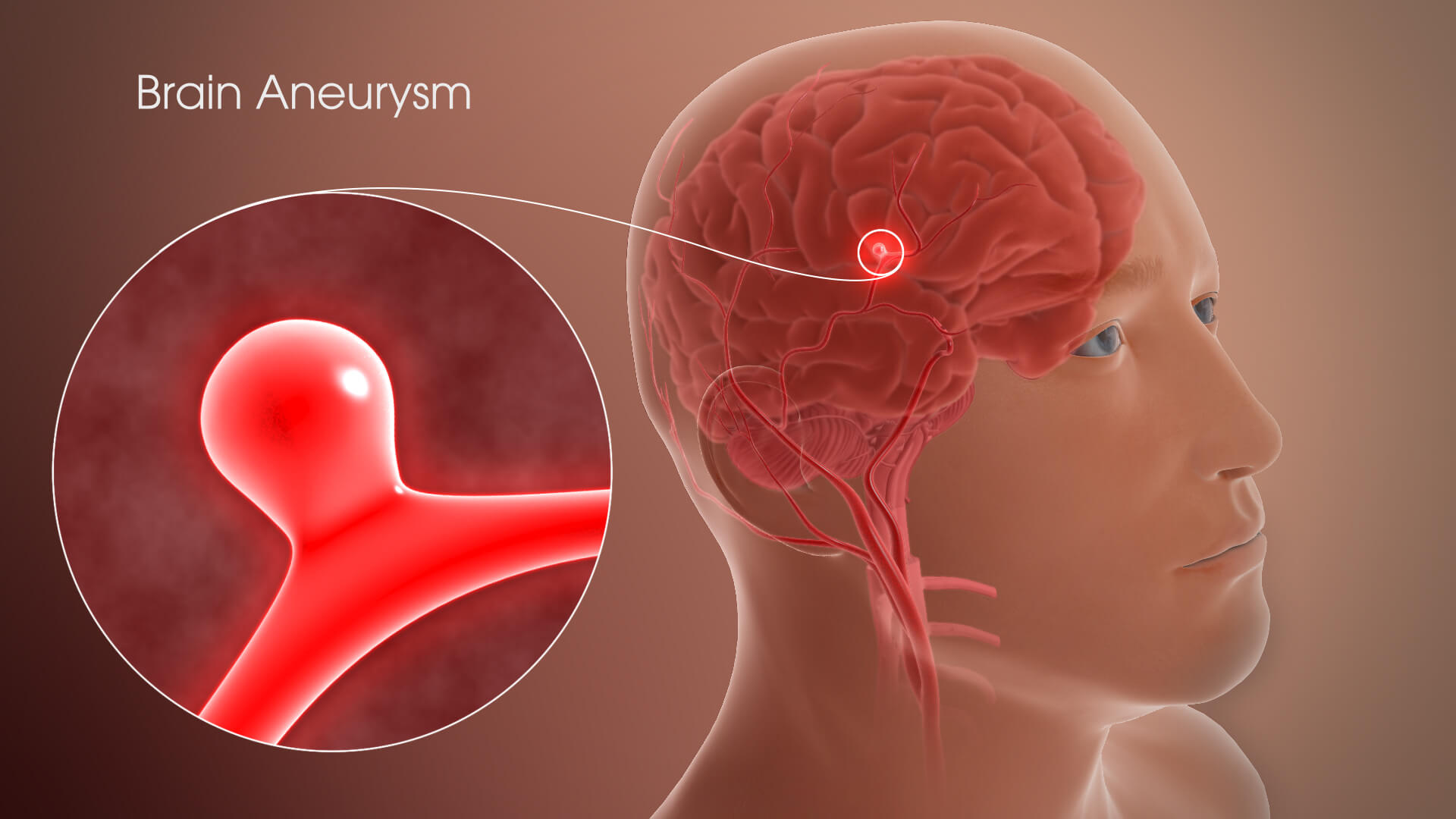 |
| A brain aneurysm occurs when a weakened blood vessel in the brain bulges or balloons — a silent condition that can become life-threatening if it ruptures. |
What Is a Brain Aneurysm?
A brain aneurysm (also called a cerebral aneurysm) is a weak or thin spot in a blood vessel in the brain that bulges out and fills with blood. It often looks like a small balloon or a berry hanging on a stem.
Most brain aneurysms don’t cause symptoms and go unnoticed. But if an aneurysm bursts (ruptures), it causes bleeding in the brain — a medical emergency that can lead to stroke, brain damage, or death.
Types of Brain Aneurysms
-
Unruptured Aneurysm:
Aneurysm that hasn’t burst yet. Often discovered during scans for other reasons. -
Leaking Aneurysm:
Sometimes, a small amount of blood leaks before a full rupture. This may cause a warning headache. -
Ruptured Aneurysm:
This is when the aneurysm bursts, leading to hemorrhagic stroke (bleeding in the brain).
What Causes Brain Aneurysms?
The exact cause isn't always known, but factors that weaken blood vessel walls over time include:
-
High blood pressure
-
Smoking
-
Head injury or trauma
-
Family history of aneurysms
-
Certain genetic disorders (e.g., Ehlers-Danlos syndrome)
-
Older age (usually after 40)
-
Drug abuse (especially cocaine)
Warning Signs & Symptoms
Unruptured Aneurysm may show no symptoms. However, large ones can cause:
-
Headaches
-
Blurred or double vision
-
Drooping eyelid
-
Pain above or behind one eye
-
Trouble speaking or moving
Ruptured Aneurysm symptoms appear suddenly and are severe:
-
Sudden, intense headache ("worst headache of your life")
-
Nausea or vomiting
-
Neck stiffness
-
Sensitivity to light
-
Loss of consciousness
-
Seizures
If you or someone nearby experiences these, call emergency services immediately.
How Is It Diagnosed?
Doctors may use the following tests:
-
CT Scan (Computed Tomography)
-
MRI (Magnetic Resonance Imaging)
-
Cerebral Angiogram – a special dye is injected to highlight brain arteries
-
Lumbar Puncture – checks for blood in spinal fluid (if a rupture is suspected)
Early detection can save lives.
Treatment Options
Unruptured Aneurysms:
-
Careful monitoring with regular imaging
-
Lifestyle changes to reduce rupture risk
-
Surgery may be recommended depending on size, shape, and location
Ruptured Aneurysms:
Emergency treatment is needed, which may include:
-
Surgical Clipping – A metal clip is placed at the base of the aneurysm to stop blood flow.
-
Endovascular Coiling – A catheter delivers tiny coils into the aneurysm to block it off.
Medications are also used to manage blood pressure and prevent brain spasms or seizures after rupture.
Can You Prevent It?
While you can't always prevent aneurysms, you can reduce your risk:
-
Control blood pressure
-
Quit smoking
-
Eat a heart-healthy diet
-
Avoid drug use (especially stimulants)
-
Manage stress and avoid extreme physical strain
-
Get regular check-ups, especially if you have a family history
Living With an Unruptured Aneurysm
Many people live full lives with small, unruptured brain aneurysms that never cause problems. If your doctor advises monitoring instead of surgery, it’s important to:
-
Attend regular imaging appointments
-
Take prescribed medications
-
Avoid activities that sharply raise blood pressure (e.g., heavy lifting)
Final Thoughts from OptimaMedix
Brain aneurysms are serious but manageable conditions. The key is early detection and smart prevention. If you experience unusual headaches, vision problems, or have a strong family history, don’t ignore it — talk to a doctor.
At OptimaMedix, we believe knowledge is the first step to prevention. Take care of your brain, and it will take care of you.
Need more trusted health information?
Visit: https://optimamedix.blogspot.com
Email: optimamedix@gmail.com
Disclaimer:
This article is for educational purposes only and does not replace professional medical advice. If you suspect any symptoms or have health concerns, please consult a licensed healthcare provider immediately.
 Follow us on Facebook


No comments